

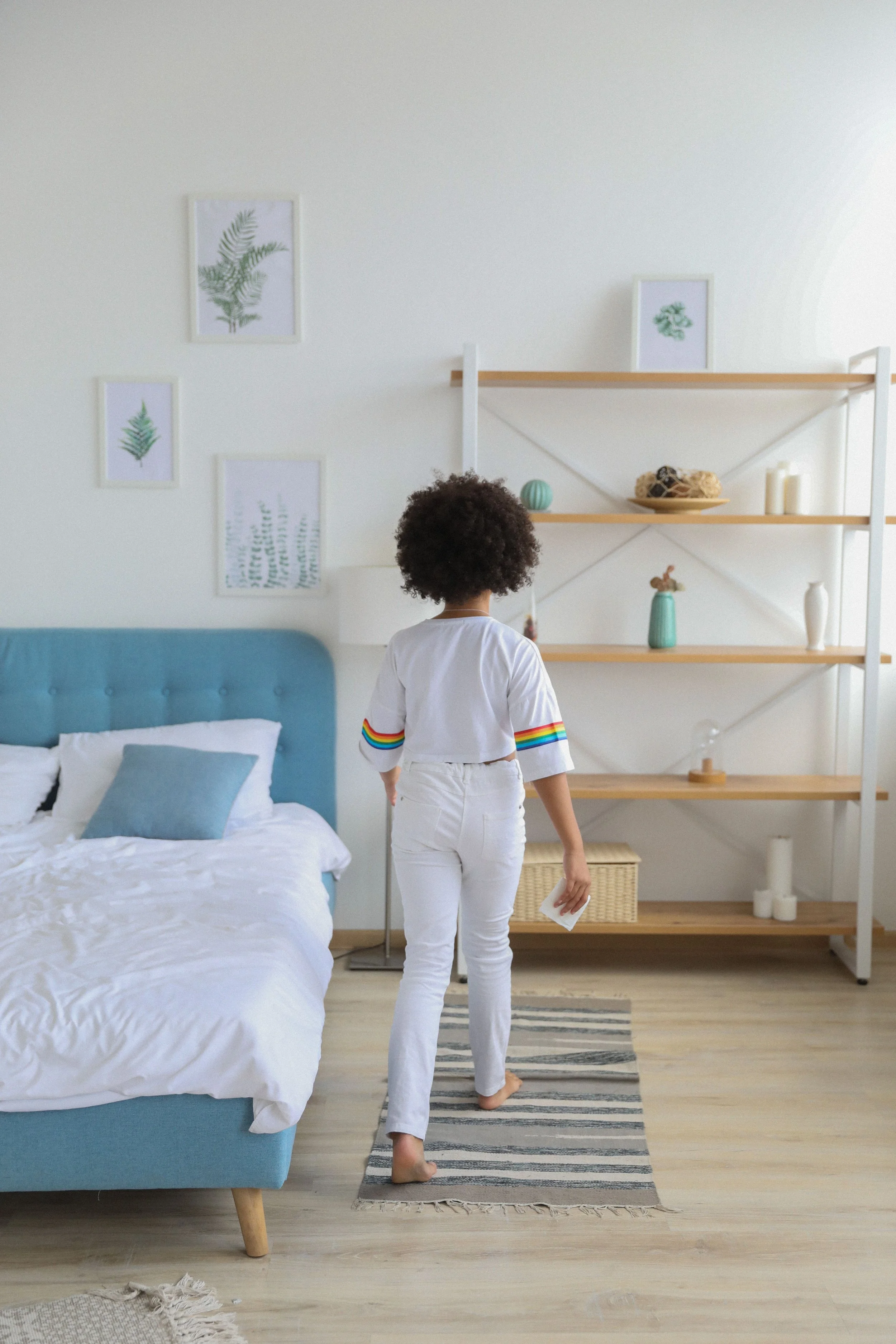
Designing for Calm: How a Child's Room Can Ease Neurodivergent Transitions
Thoughtful home design can make everyday transitions feel more manageable for neurodivergent children. Discover how lighting, sound, color, texture, organization, and room layout can reduce sensory demands and create an environment that supports comfort, predictability, and growing independence.
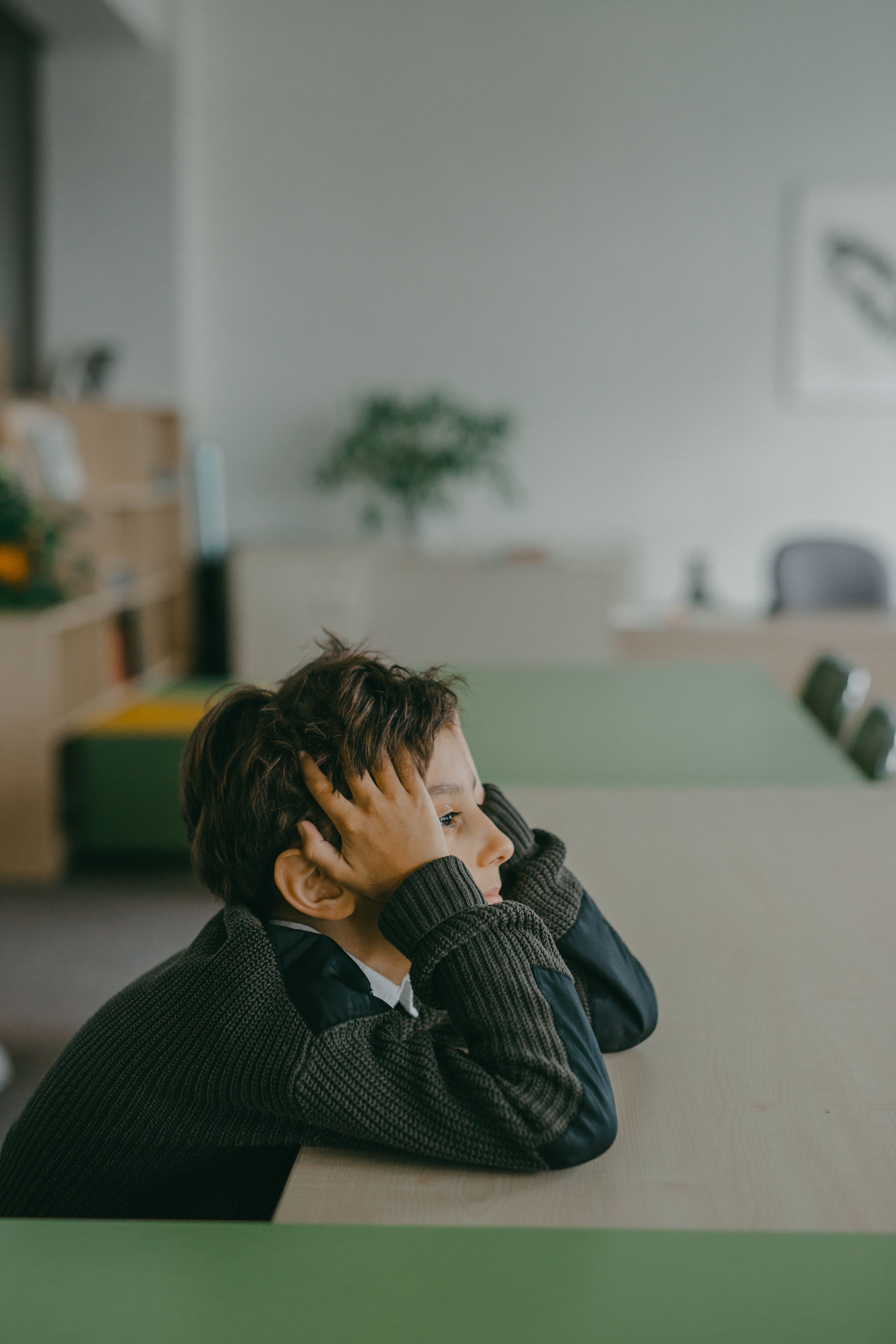
ADHD & Sleep: How Light and Home Routines Support the Body’s Internal Clock
Children with ADHD may experience challenges with sleep and circadian rhythms. Learn how morning light, evening screen exposure, and consistent household routines can help create an environment that supports the body’s natural sleep-wake cycle.

More Than Childcare: What a Great Nanny Actually Does
A great nanny provides more than supervision. Explore how professional nannies support child development, build consistent routines, respect parents’ wishes, and create secure, dependable care.
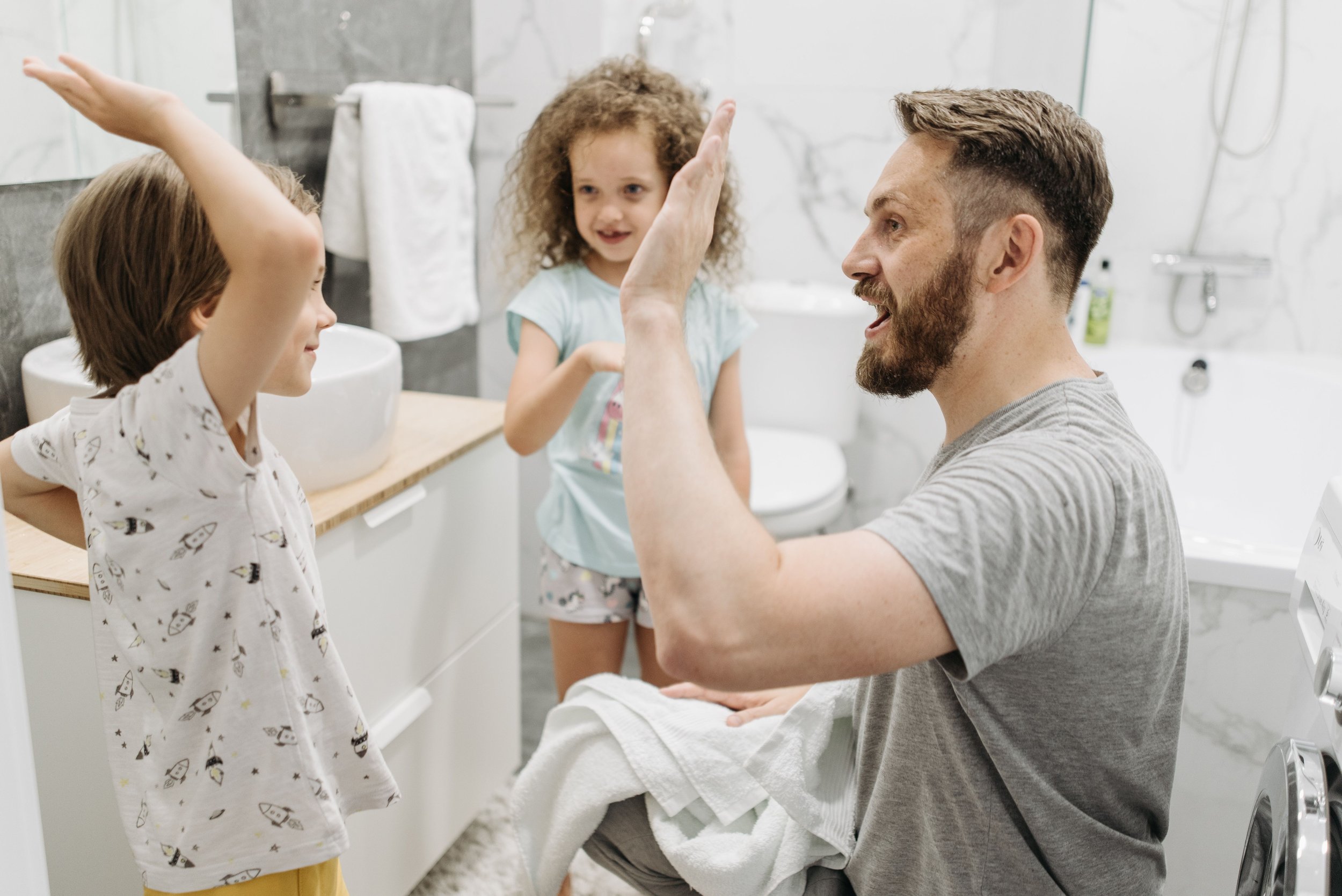
Love, Respect, and Structure: The Foundation of a Well-Run Home
A well-run home is built on more than schedules and organization. Discover how love, respect, clear boundaries, and thoughtful household structure help children feel secure while developing responsibility and independence.

Supporting Children with Down Syndrome at Home: How Routines, Organization, and Environment Work Together
Discover how personalized routines, accessible organization, and supportive Home Environment Design can help children with Down syndrome participate in daily life and build independence.

Creating a Supportive Home for Autistic Children: How Environment, Organization, and Routines Can Help
A supportive home begins with the individual child. Discover how sensory-aware Home Environment Design, accessible organization systems, and personalized visual schedules can make everyday routines clearer while supporting comfort, participation, choice, and growing independence for autistic children.
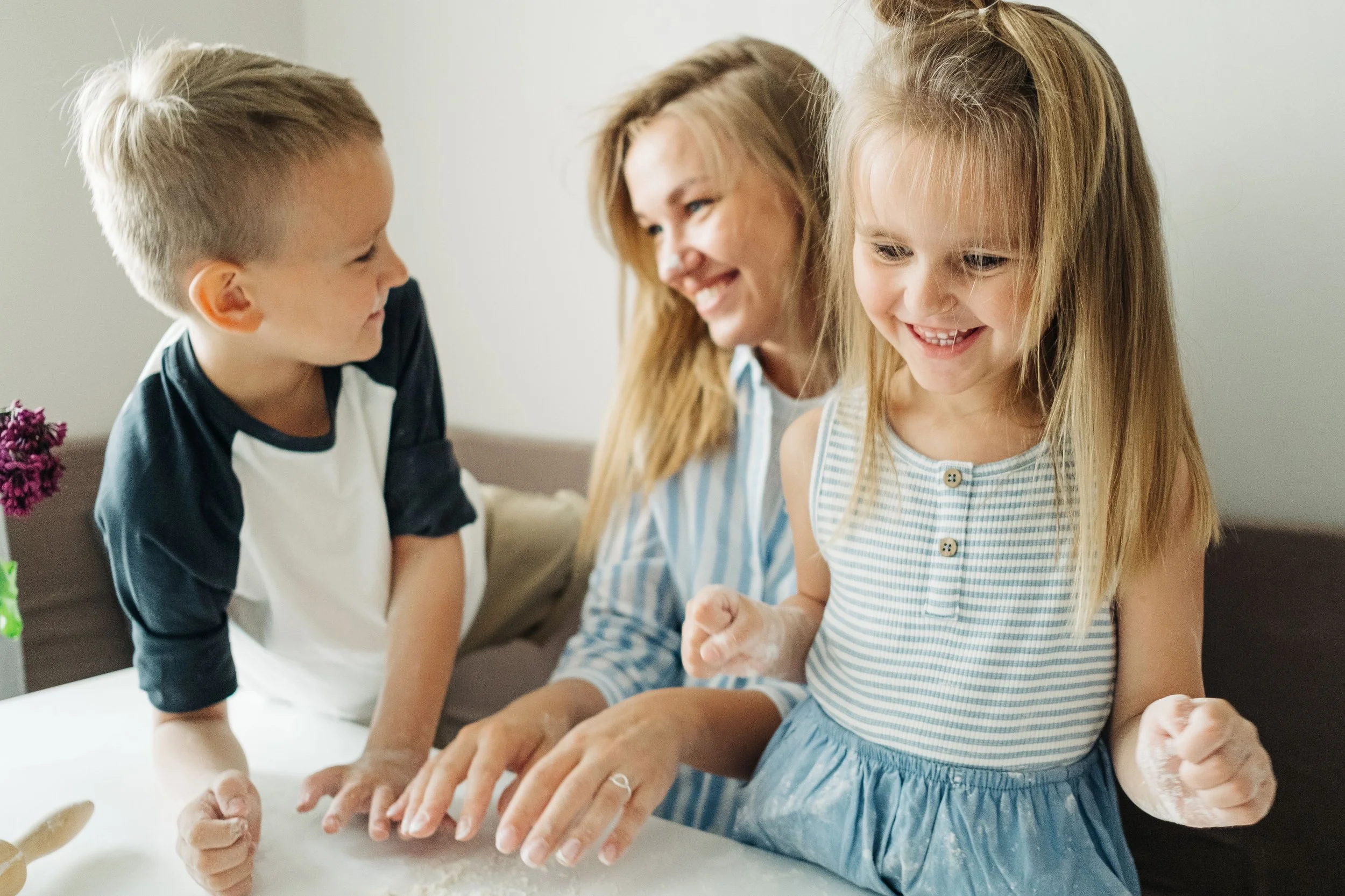
Every Interaction Matters: The Lasting Influence of Nannies and Caregivers in a Child’s Life
A well-run home is about more than schedules and completed tasks. Discover how thoughtful household systems, consistent caregiver guidance, and age-appropriate routines can support calmer family life and children’s growing independence.
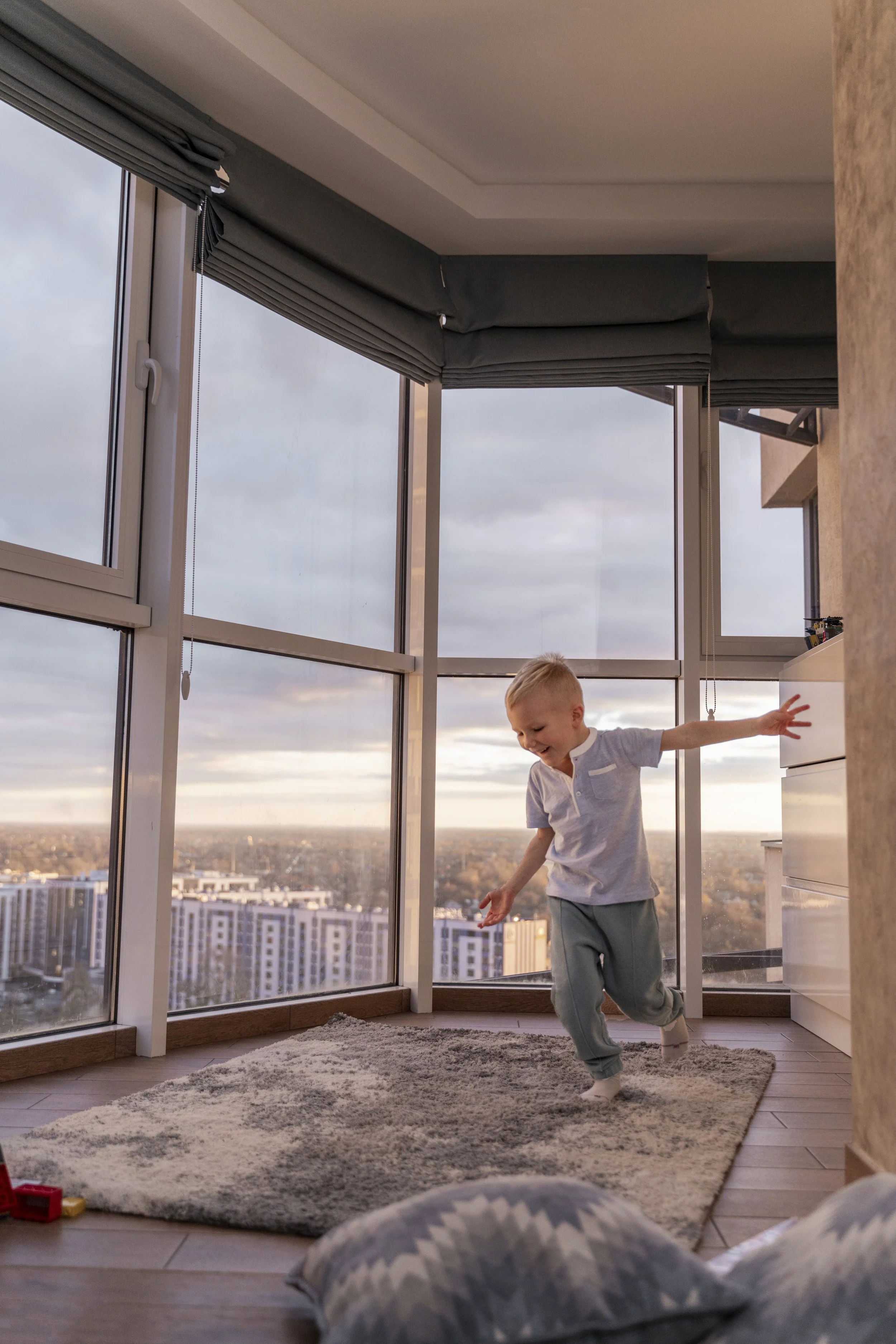
Why Schedules and Color Design Shape Independence in Early Childhood
Children build independence when their environment helps them understand what comes next and where things belong. Explore how predictable routines, visual schedules, color-coded organization, and thoughtfully designed spaces can give young children clearer guidance for navigating daily tasks, transitions, and responsibilities with growing confidence.
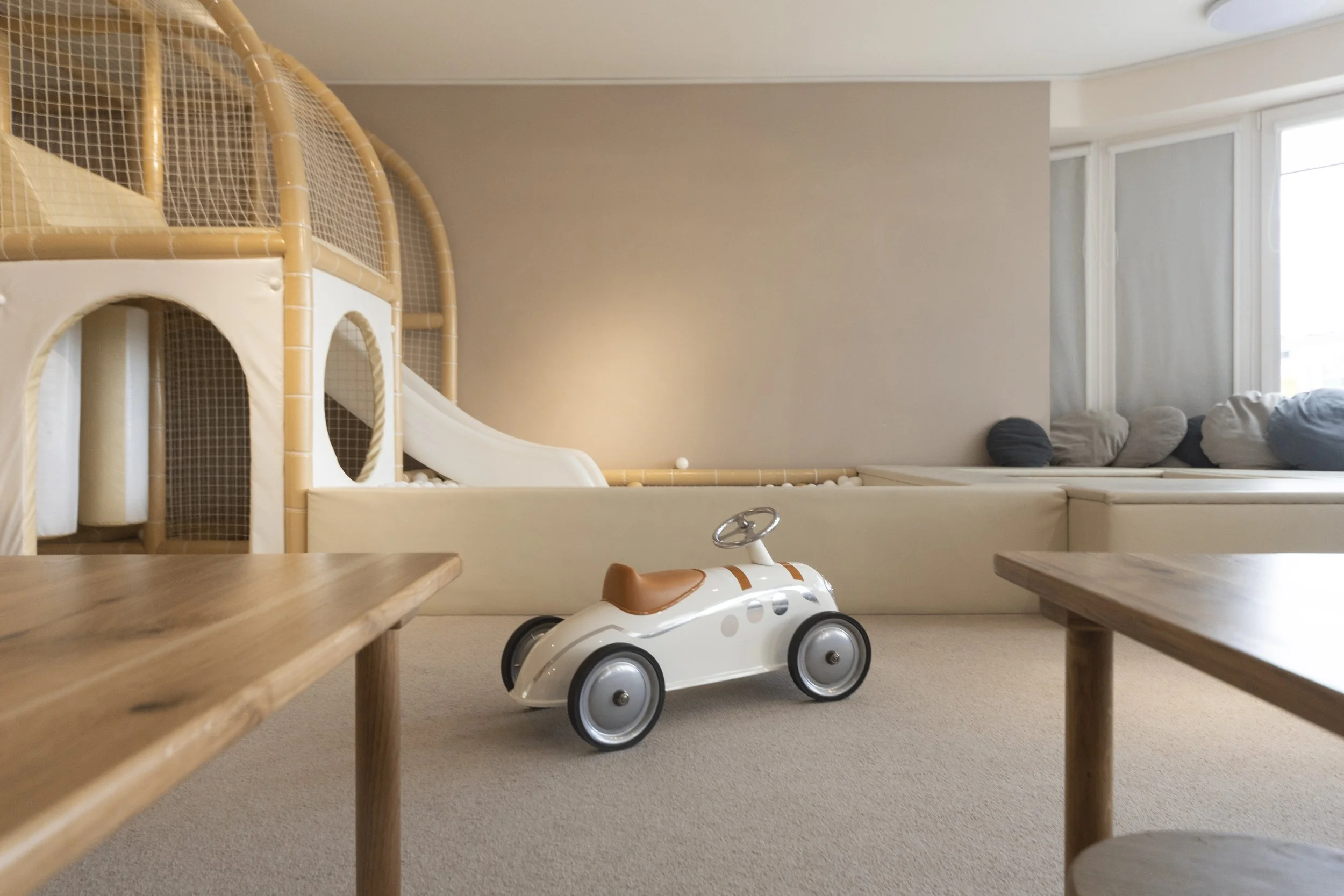
Why an Organized Home Is About More Than Appearance
Home organization offers far more than a polished appearance. Discover how personalized systems, purposeful spaces, and clearly designated places can simplify family routines, support children’s independence, reduce everyday clutter, and make the home easier for everyone to maintain.

How a Well-Run Home Builds Executive Function in Kids
Executive-function skills grow through repeated practice, and everyday home life offers meaningful opportunities to support them. Discover how predictable routines, practical organization systems, and thoughtfully arranged spaces can help children practice planning, begin tasks, manage belongings, adapt to change, and develop greater independence.

Why Your Teen's Messy Room Might Be an Executive Function Issue, Not a Discipline One
A messy bedroom does not always mean a teenager is lazy, defiant, or unconcerned. For some teens, the difficulty may involve planning, task initiation, working memory, or feeling overwhelmed by a vague assignment. Learn how smaller steps, practical checklists, clear boundaries, and patient practice can make the responsibility more manageable.

Use It or Lose It? How Daily Routines and the Home Support a Child’s Developing Brain
Synaptic pruning is one part of how the developing brain refines its connections. Explore how repeated experiences, responsive relationships, predictable routines, sleep, play, and thoughtfully arranged home environments can support children’s learning, practice, and growing independence.

Creating an ADHD-Supportive Home: Routines, Organization, and Thoughtful Design
A supportive home does not treat ADHD, but clear routines, visible reminders, simplified organization, and thoughtfully arranged spaces may make everyday tasks easier to navigate. Explore practical ways to reduce distractions, support transitions, and help children participate more independently—while adapting each system to the individual child.

From Birth to Three: How Everyday Routines and Relationships Shape a Child’s Developing Brain
The first years of life are a period of rapid brain development, but supporting a baby or toddler does not require constant lessons or elaborate enrichment. Discover how responsive conversation, face-to-face interaction, reading, movement, play, sleep, and predictable routines can create a nurturing foundation for early learning.
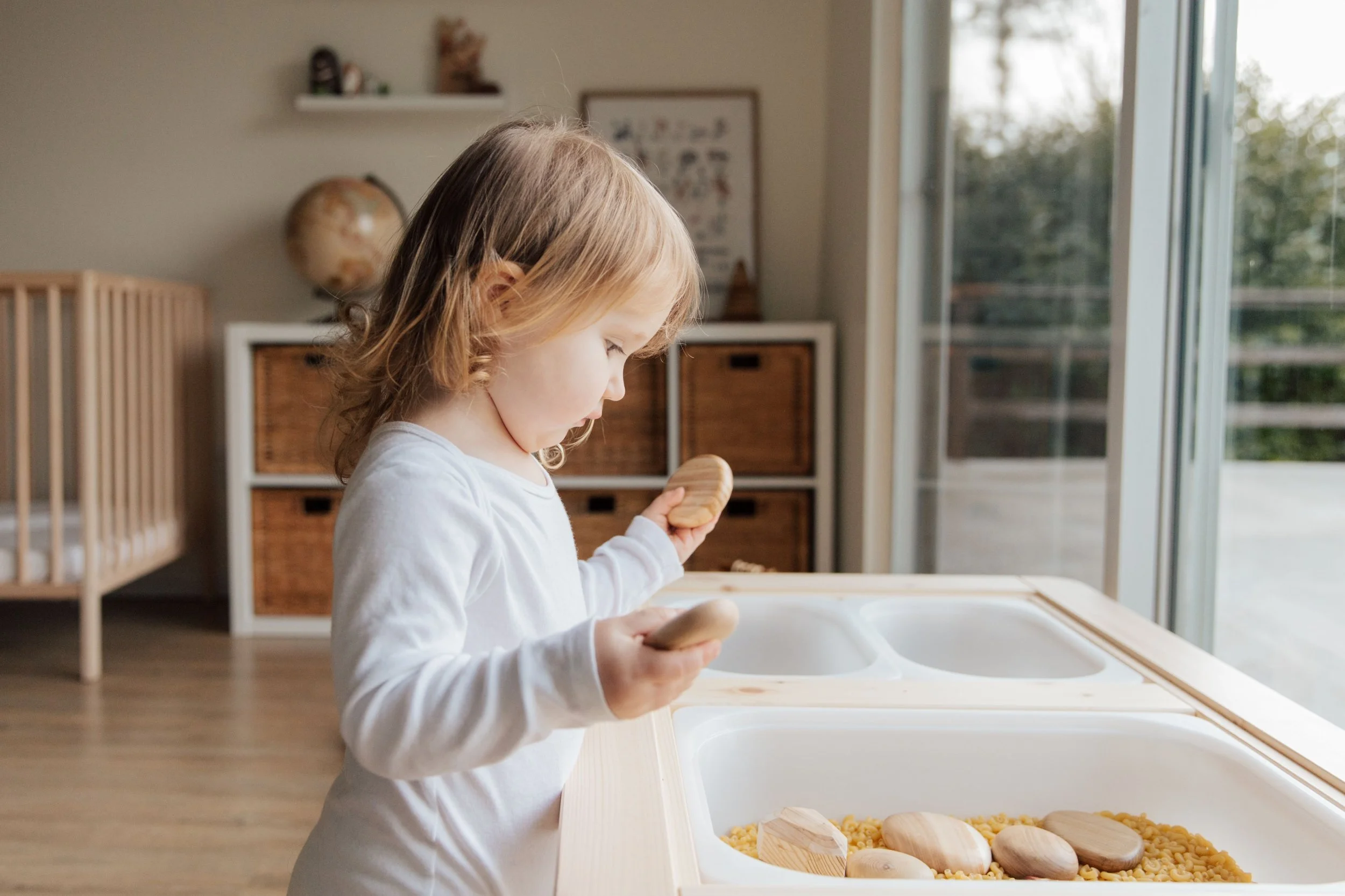
Home Environment Design: Why Feeling Matters as Much as Function
A well-designed home supports more than storage and daily function. Explore how lighting, layout, visual simplicity, texture, and thoughtful use of color can influence how a space is experienced—and help create rooms that feel comfortable, welcoming, and easier for the entire family to navigate.